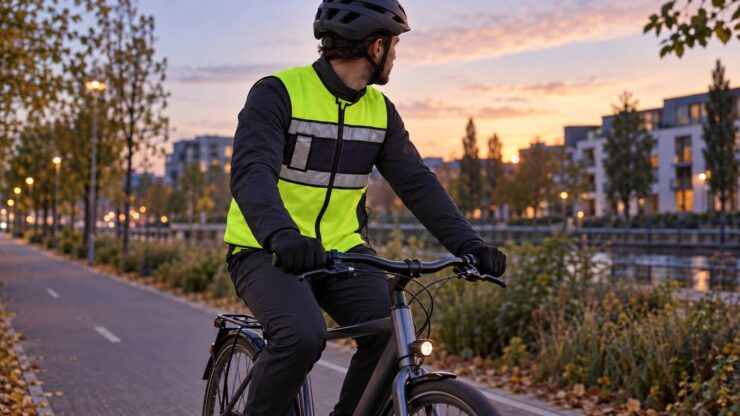
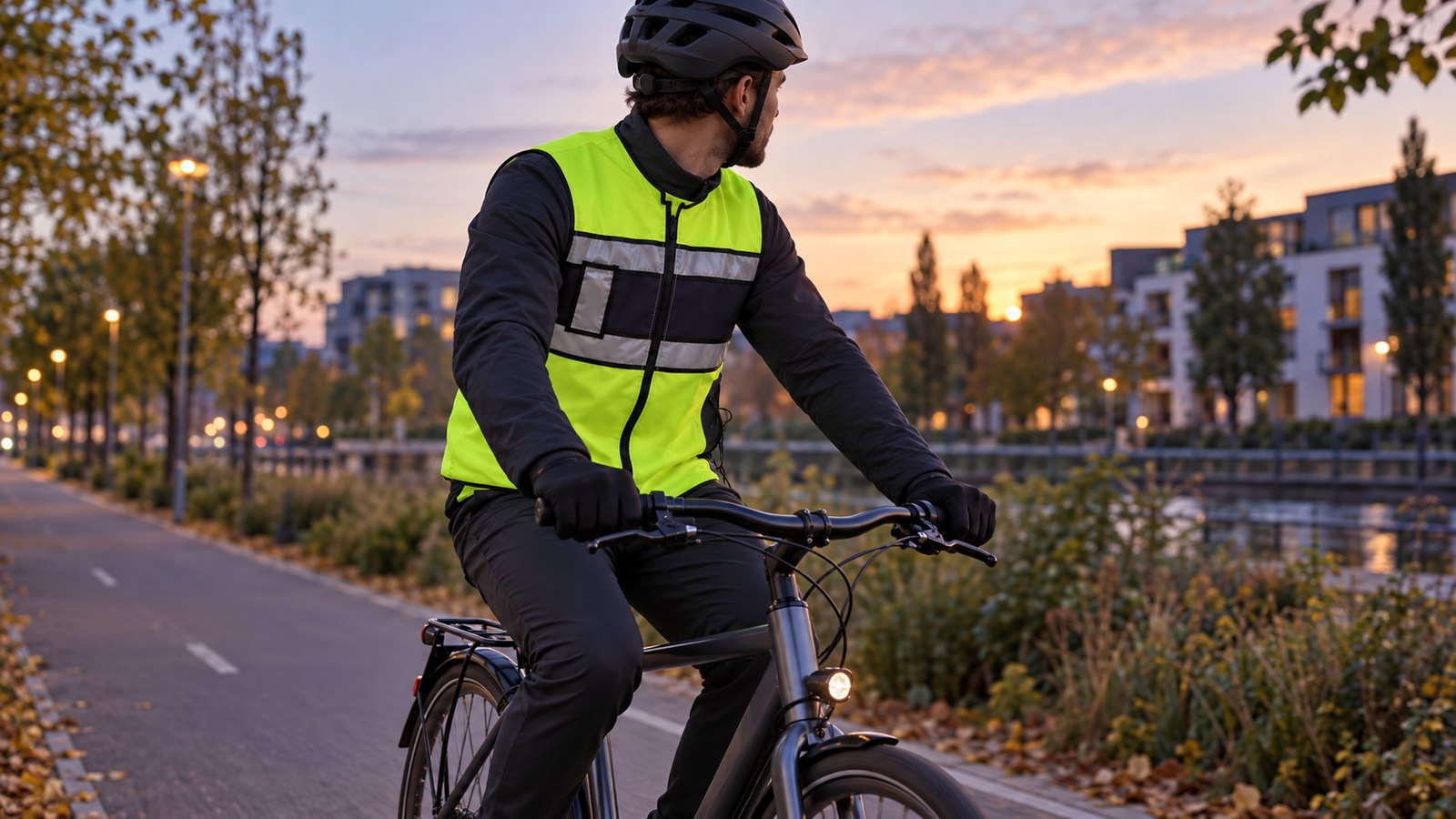
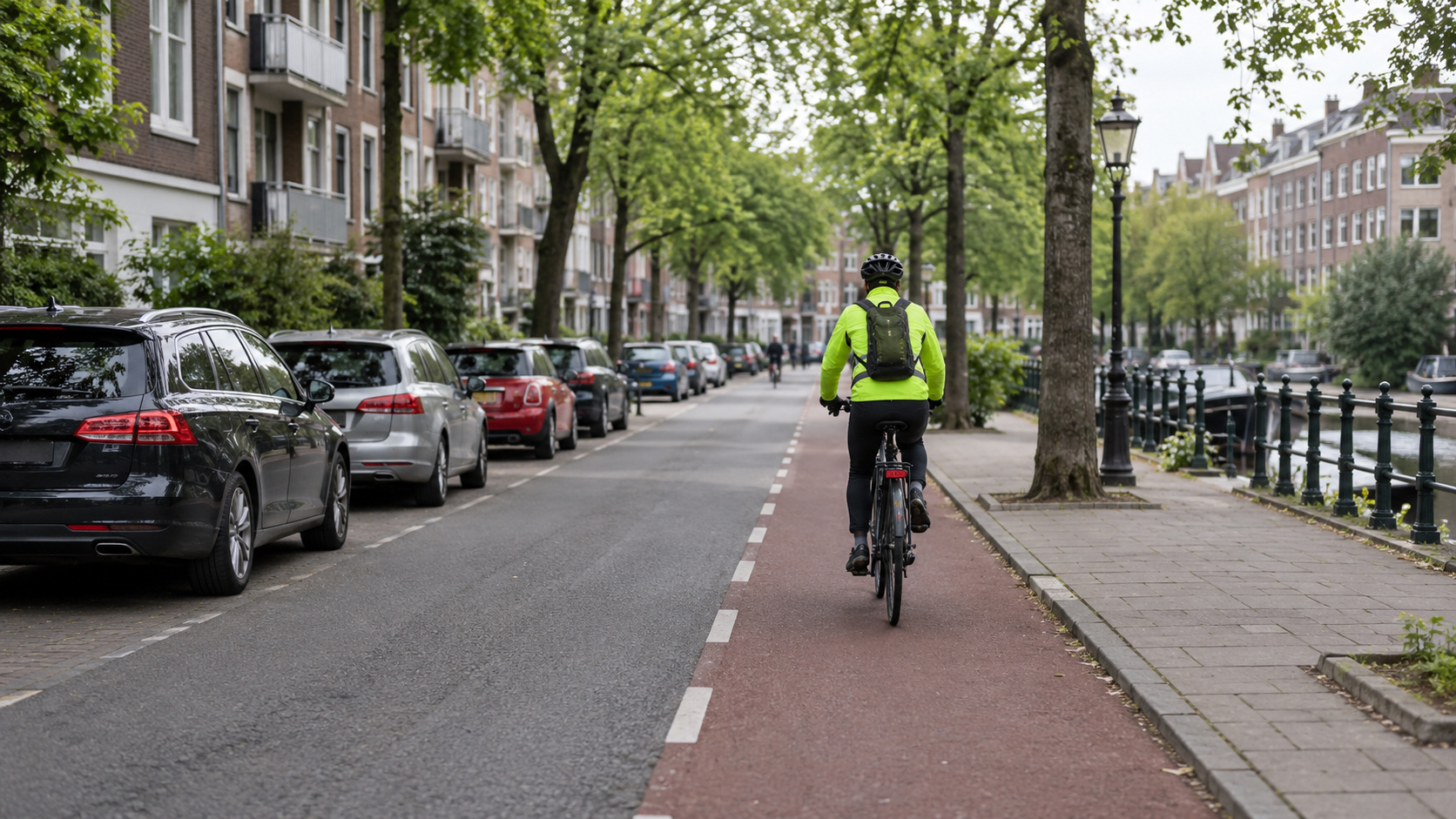
Cyclists are medium-risk road users. Which EN 17353 type suits daytime rides, night rides and the all-season commute? A guide for cycling brands and buyers.

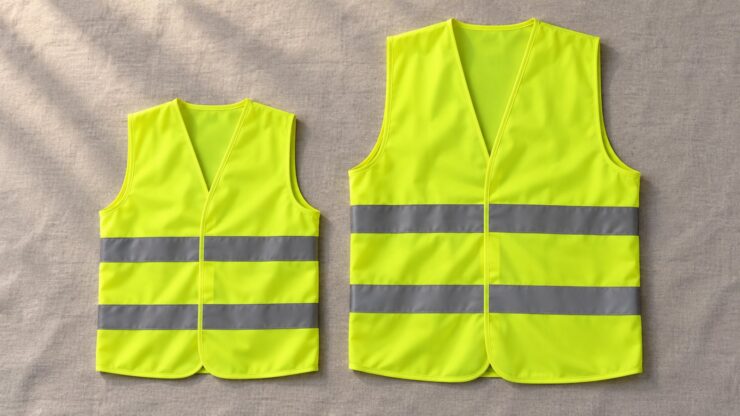
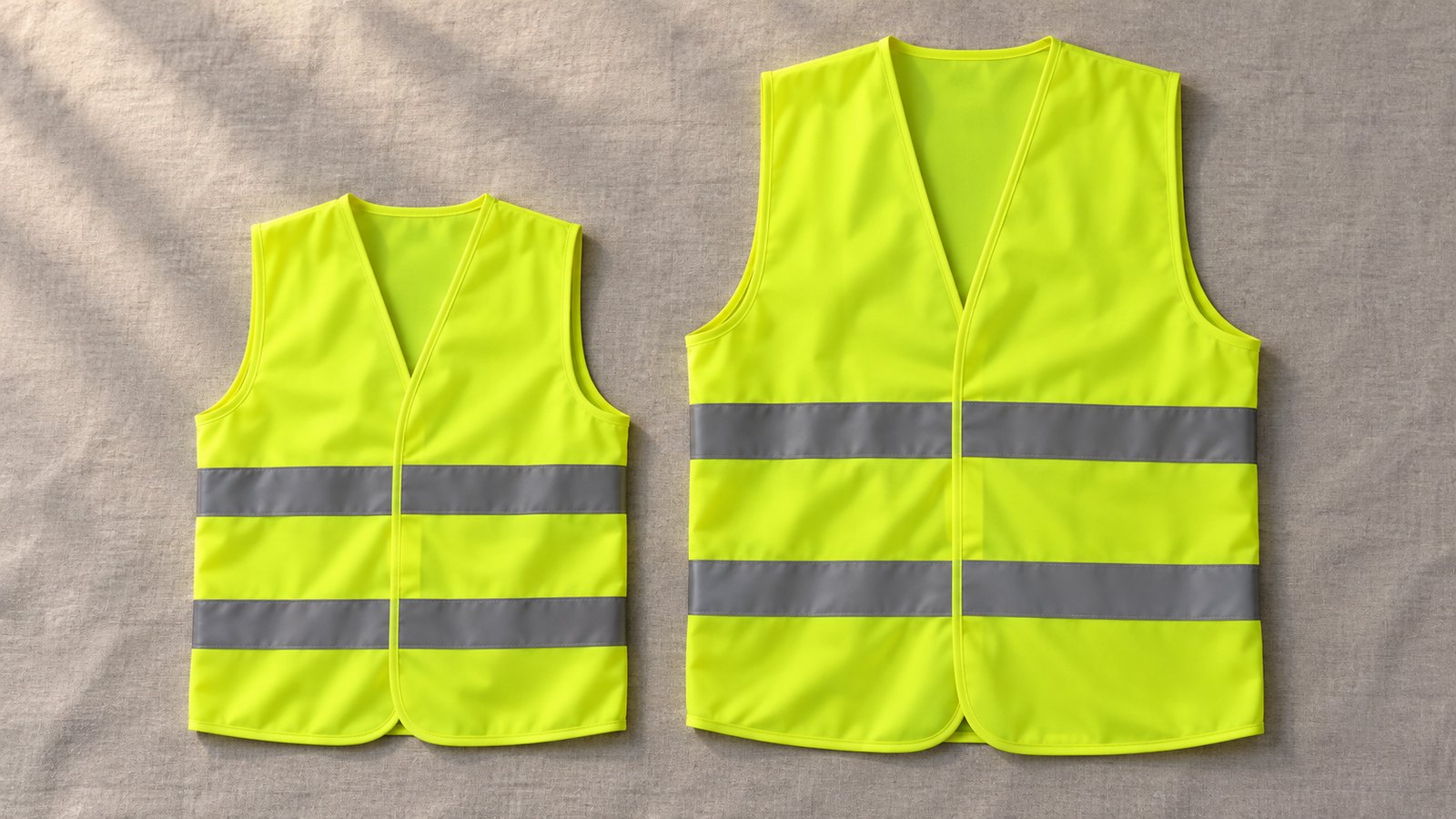
How much fluorescent and reflective material does an EN 17353 AB3 vest need? 0.14/0.06 m² for children, 0.24/0.08 m² for adults, plus the 40/10 split and tape lengths.
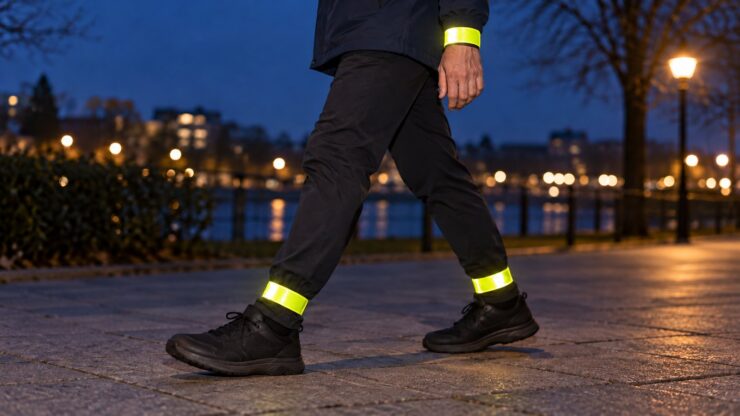
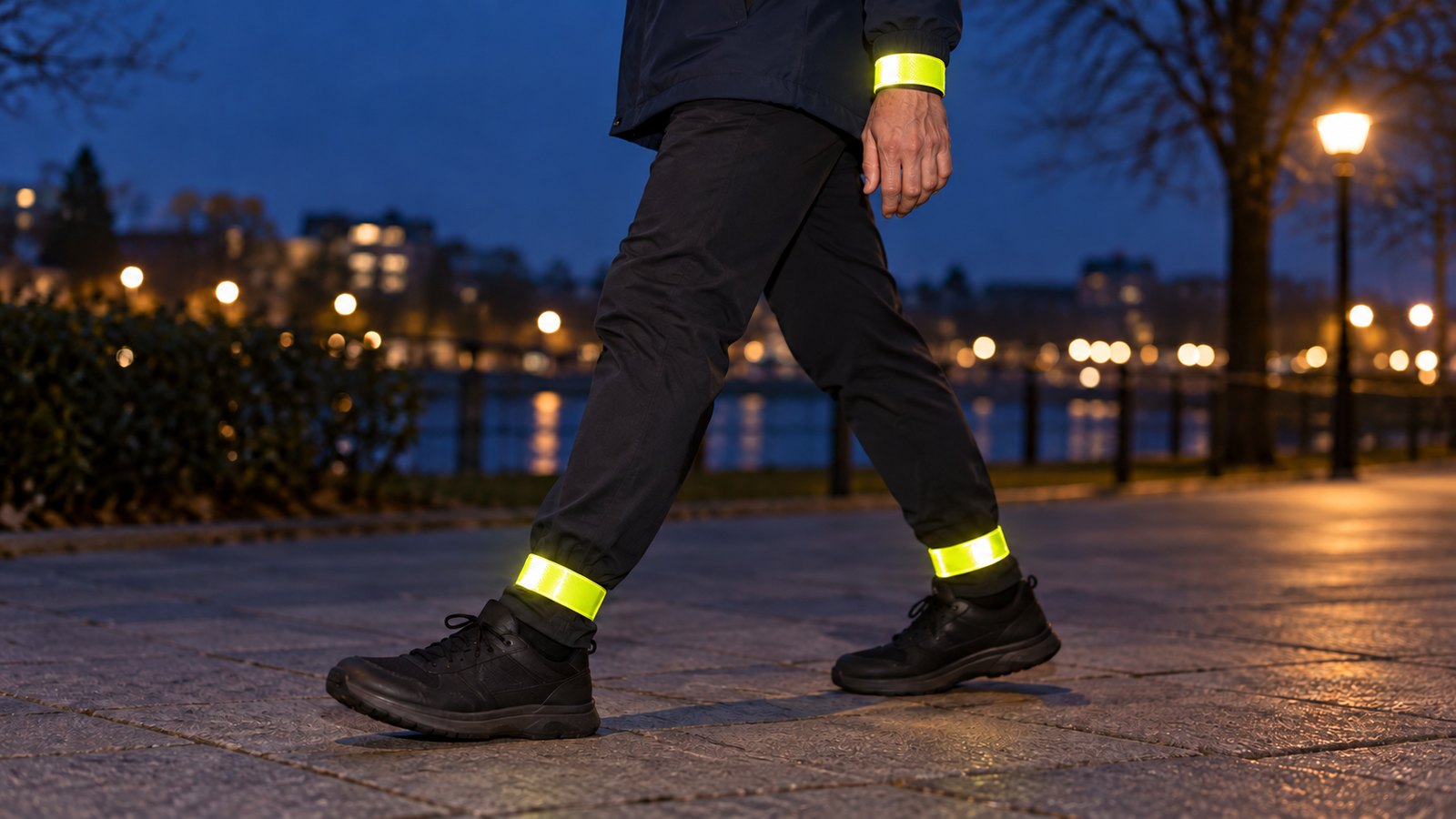
Type B2 covers reflective arm bands, slap wraps and limb-only garments. Learn the 0.018 m² rule, 20 mm encircling, 50 mm gap limits and why B2 is worn in pairs.
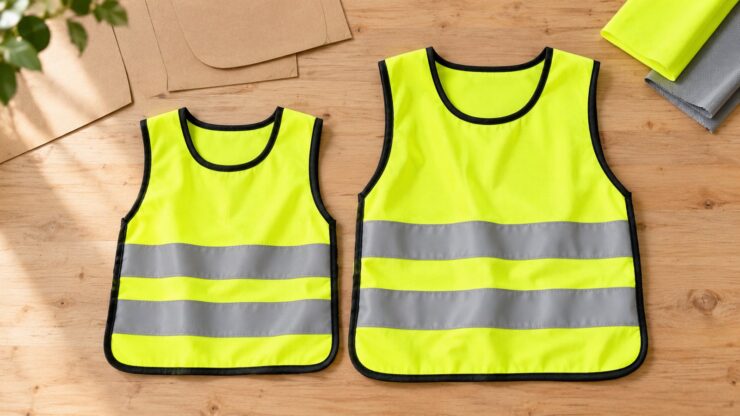
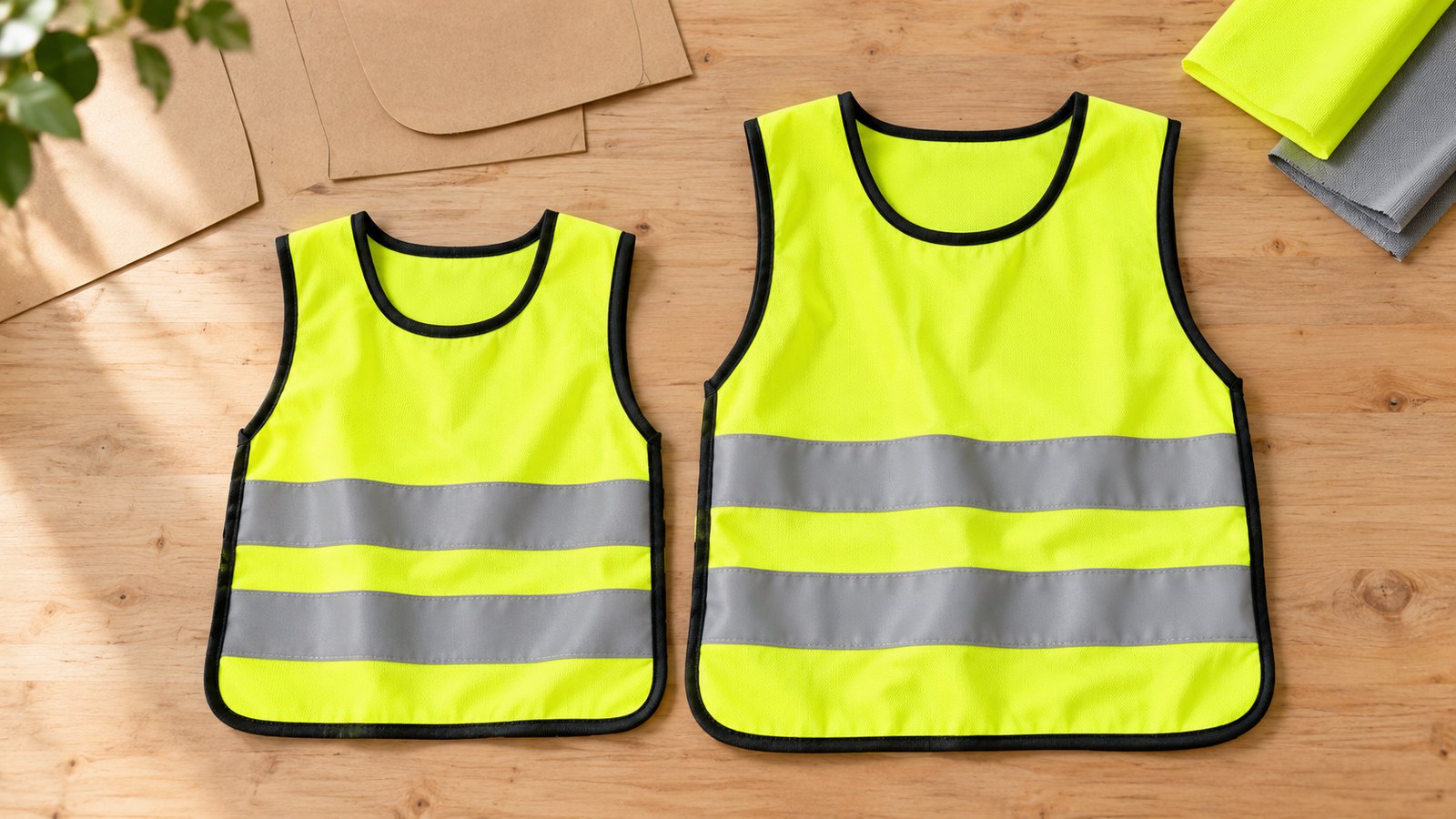
EN 17353 sets lower minimum areas for users up to 140 cm. Learn which sizes qualify, why a size that includes 140 cm counts as adult, and how to check a children’s size range.
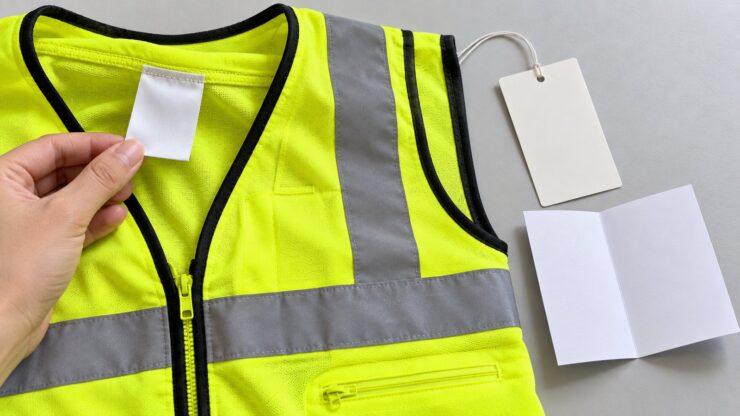
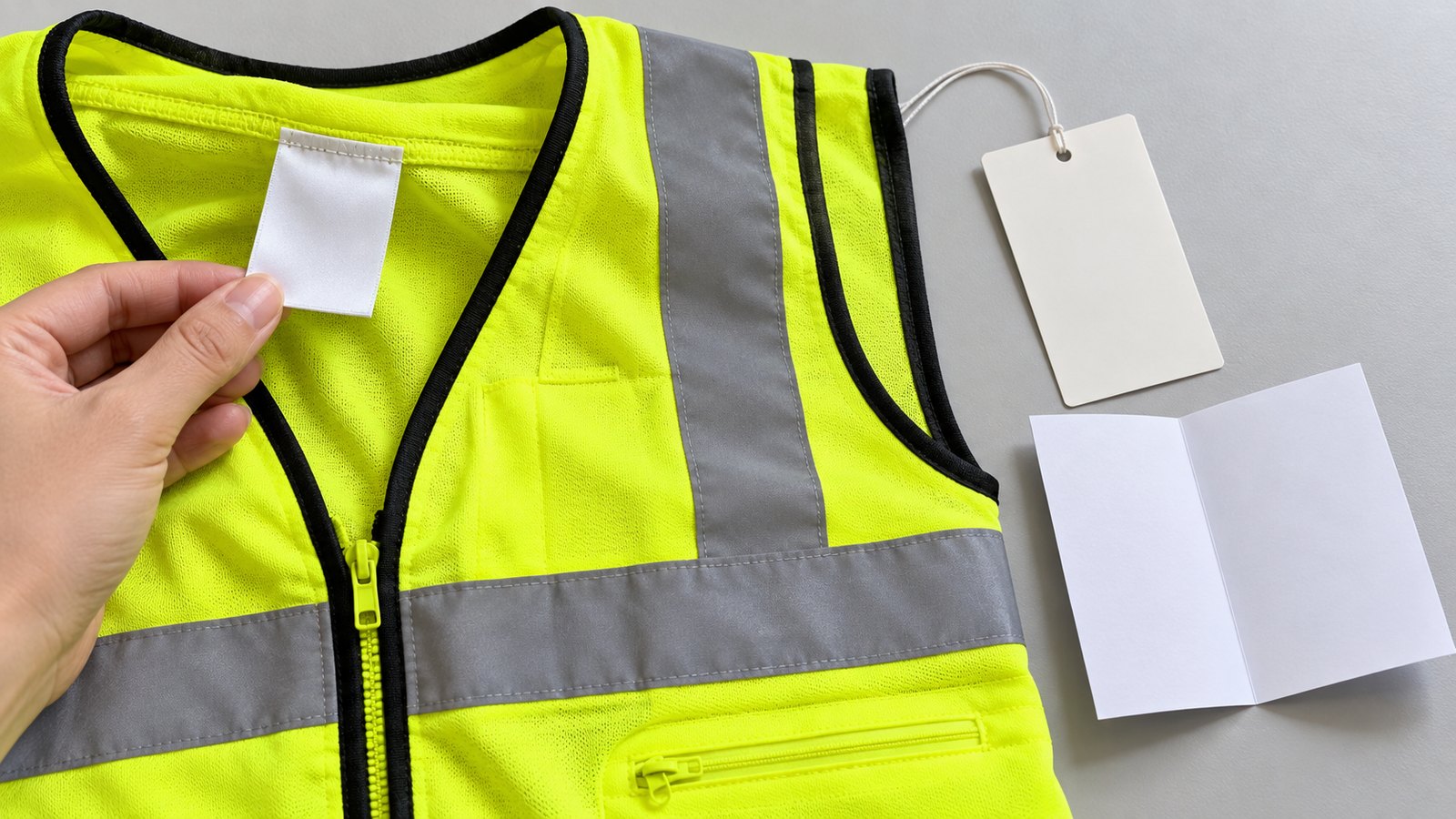
Pictograms, device labels, wash-count marking and the mandatory sentences EN 17353 requires in the instructions, plus the most common marking mistakes.
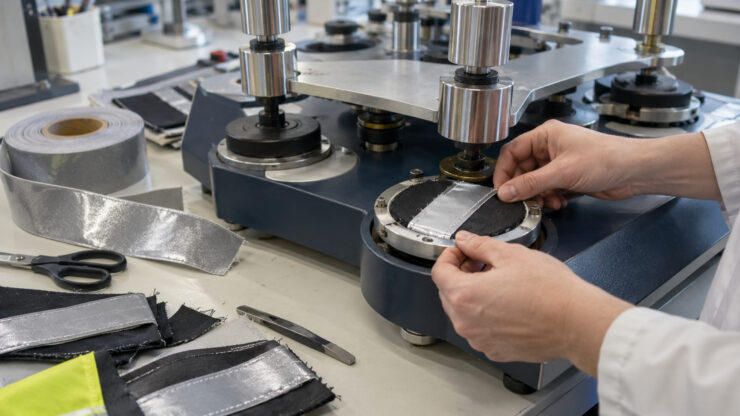
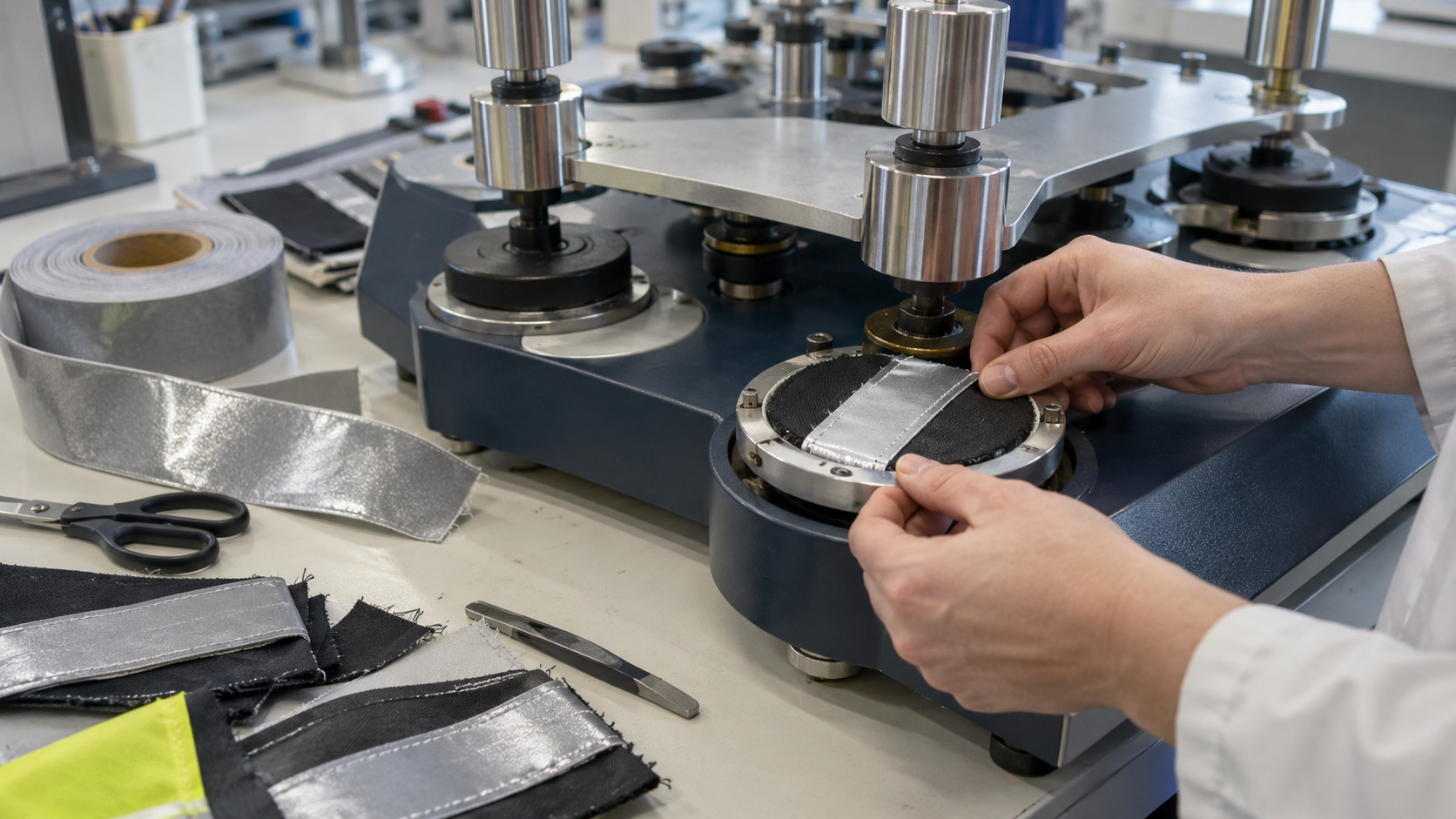
Retroreflective material for EN 17353 Type B2, B3 and AB must reach 330 or 65 cd/(lx·m²) new and stay above 100 or 30 after abrasion, cold, heat, rain and washing. Here is how the tests work.
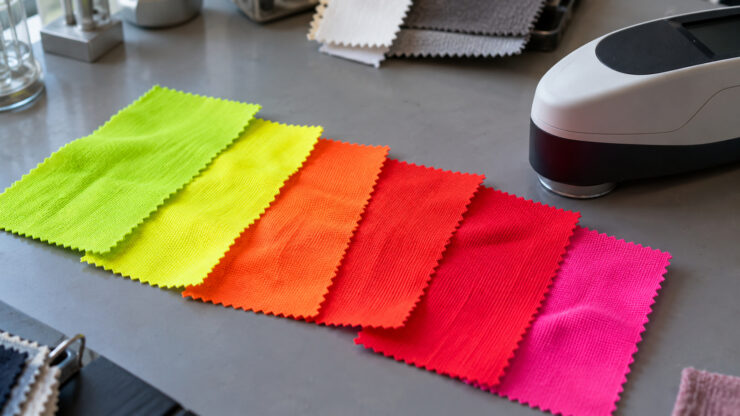
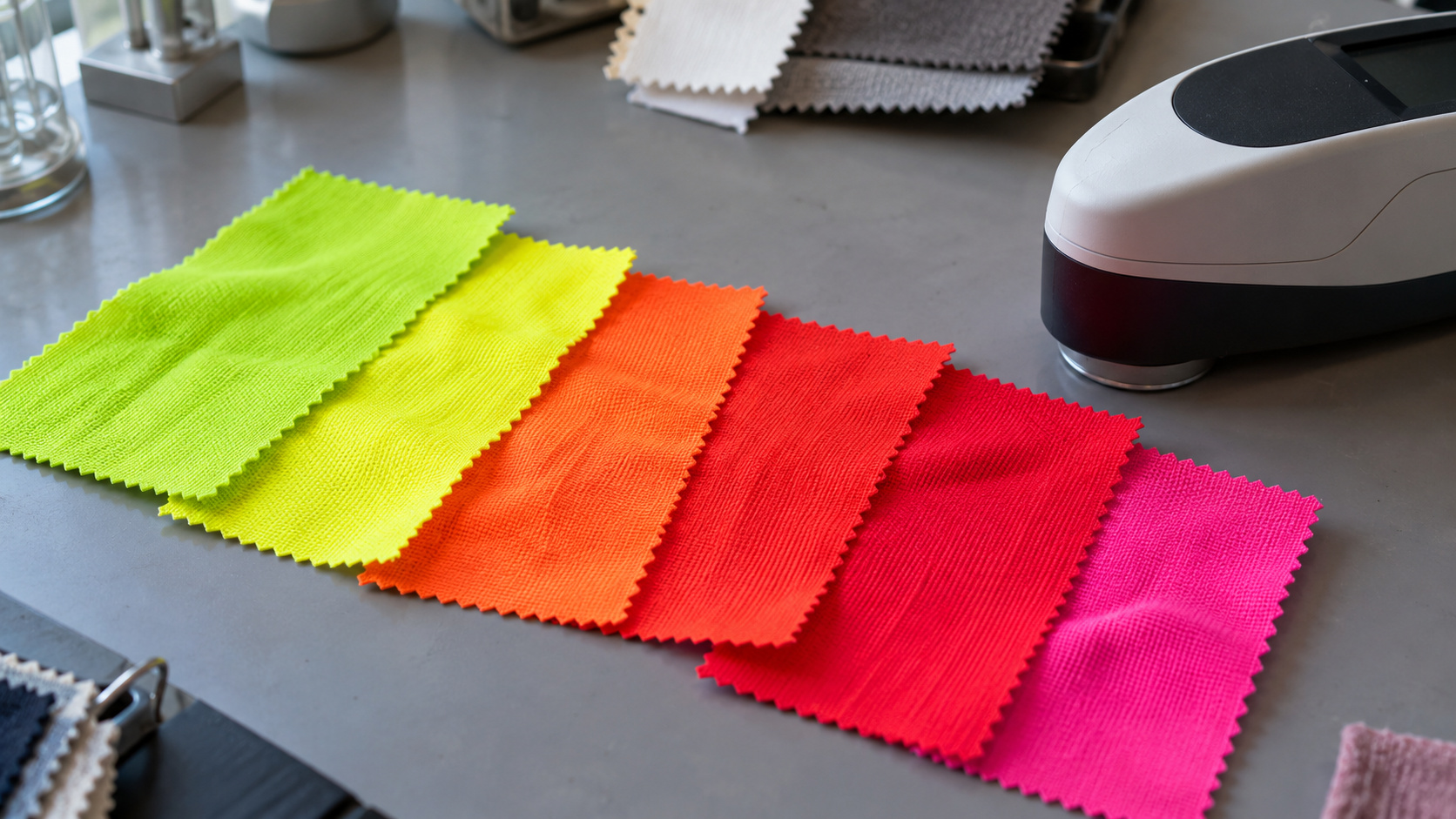
EN 17353 allows seven fluorescent colours. See the luminance minimums, how colour is measured, what happens when a colour shifts box after Xenon exposure, and the colour fastness grades.
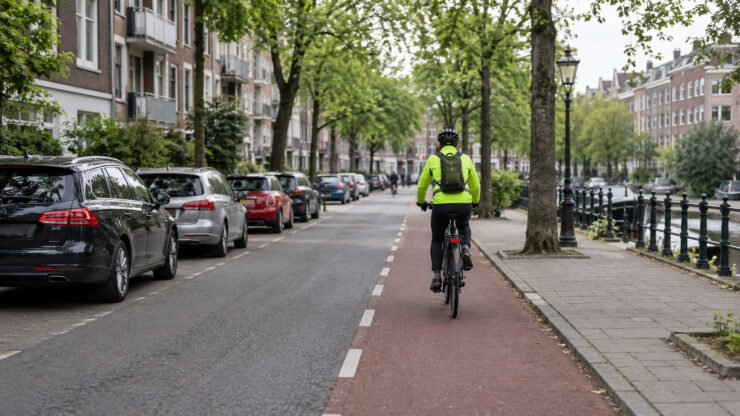
Type A is the daylight-only class of EN 17353. Learn the 0.14 m² and 0.24 m² minimum areas, the 40/10 visibility-from-all-sides rule, and the fluorescent material tests.
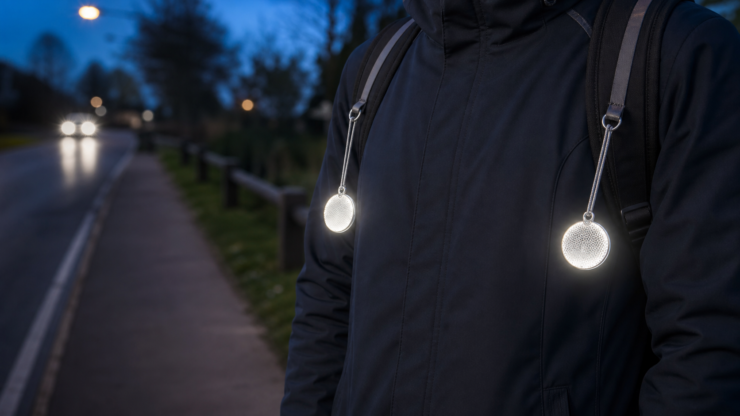
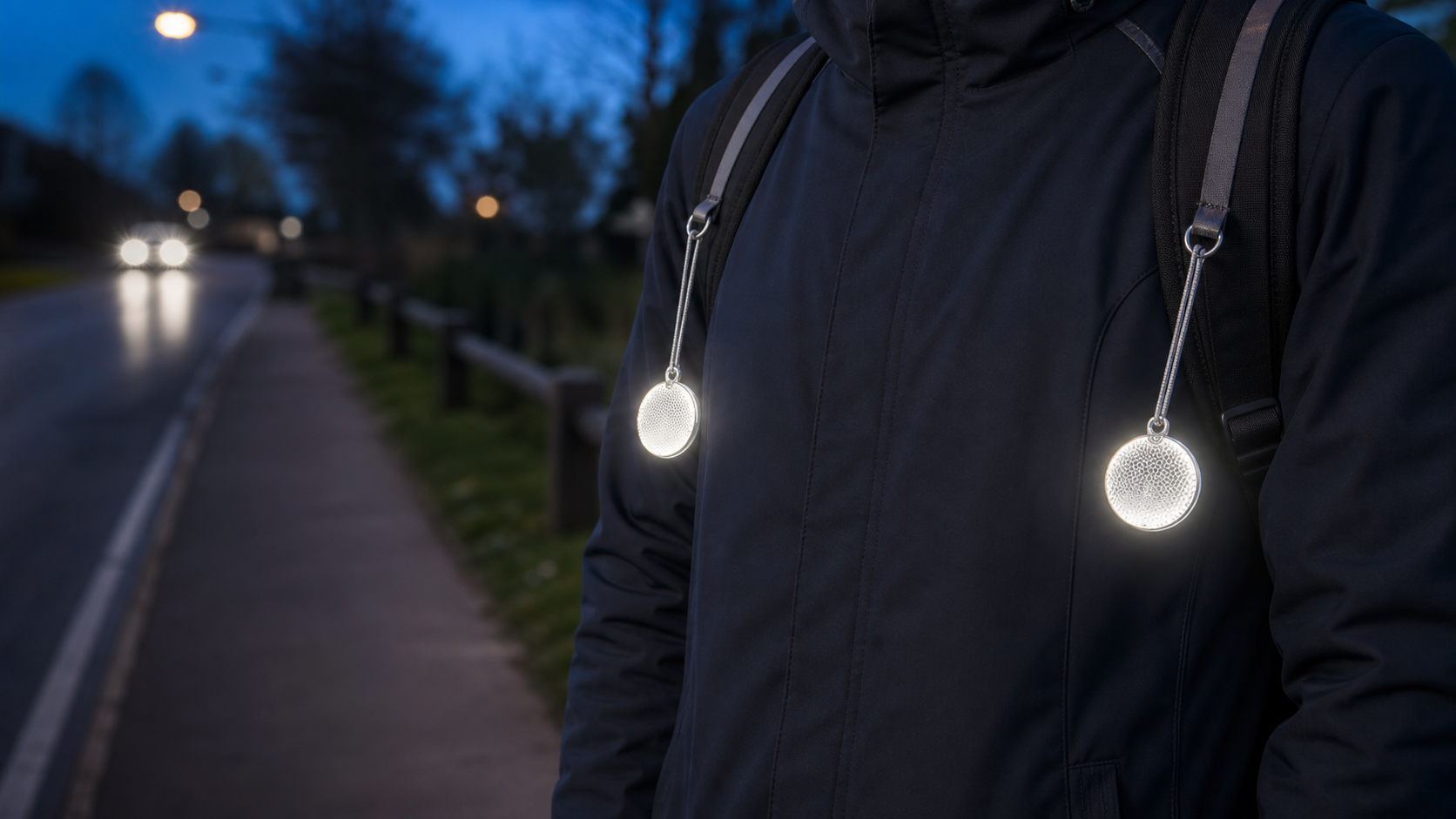
Understand EN 17353 Type B1 requirements for free-hanging reflectors, including two-sided area, thickness, attachment, wearing position, testing, and PPE evidence.
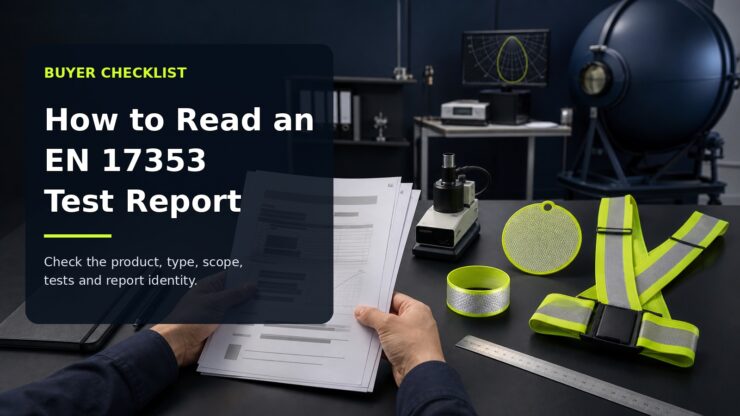
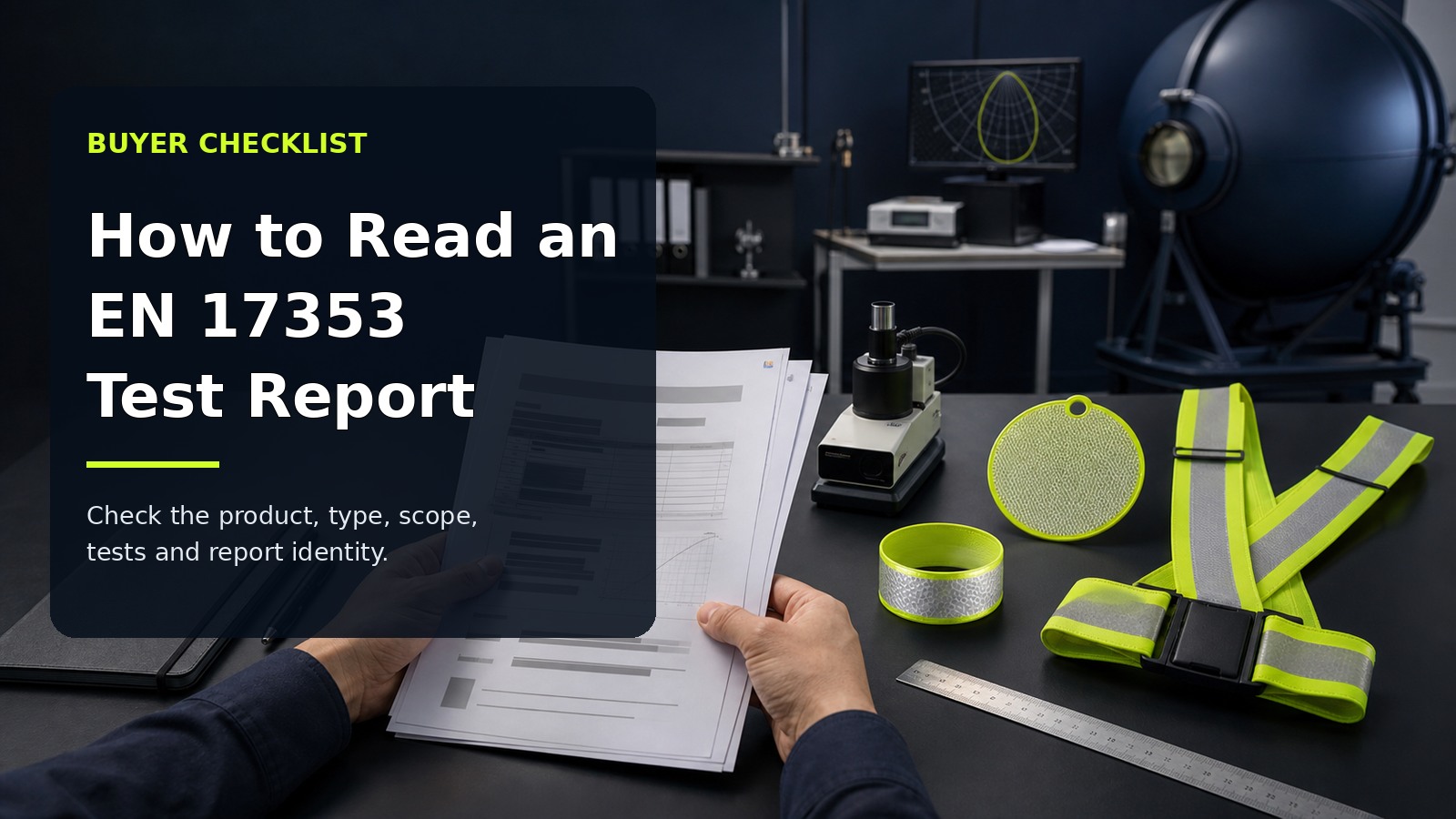
Learn how to verify an EN 17353 test report: check product identity, B1/B2/B3 scope, photometric results, certificates, variants, and red flags before buying.