
EN 17353 sets lower minimum areas for users up to 140 cm. Learn which sizes qualify, why a size that includes 140 cm counts as adult, and how to check a children’s size range.


Pictograms, device labels, wash-count marking and the mandatory sentences EN 17353 requires in the instructions, plus the most common marking mistakes.
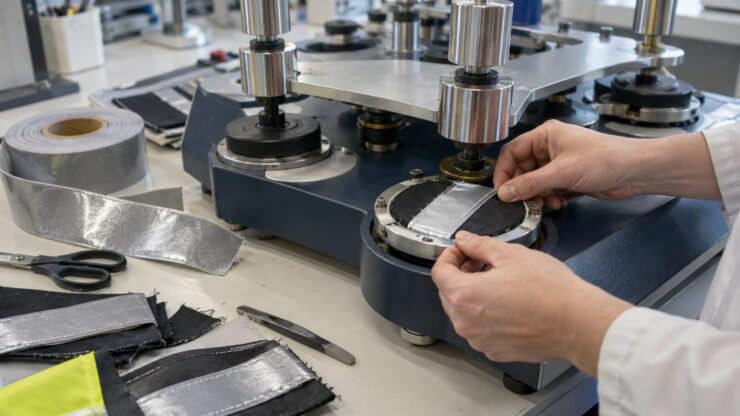
Retroreflective material for EN 17353 Type B2, B3 and AB must reach 330 or 65 cd/(lx·m²) new and stay above 100 or 30 after abrasion, cold, heat, rain and washing. Here is how the tests work.
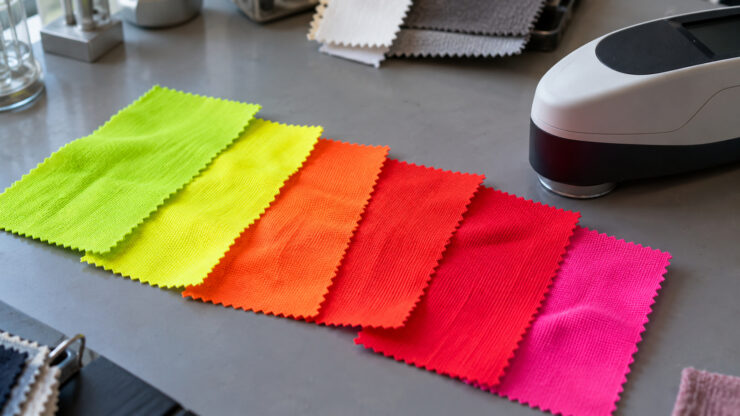
EN 17353 allows seven fluorescent colours. See the luminance minimums, how colour is measured, what happens when a colour shifts box after Xenon exposure, and the colour fastness grades.

Type A is the daylight-only class of EN 17353. Learn the 0.14 m² and 0.24 m² minimum areas, the 40/10 visibility-from-all-sides rule, and the fluorescent material tests.
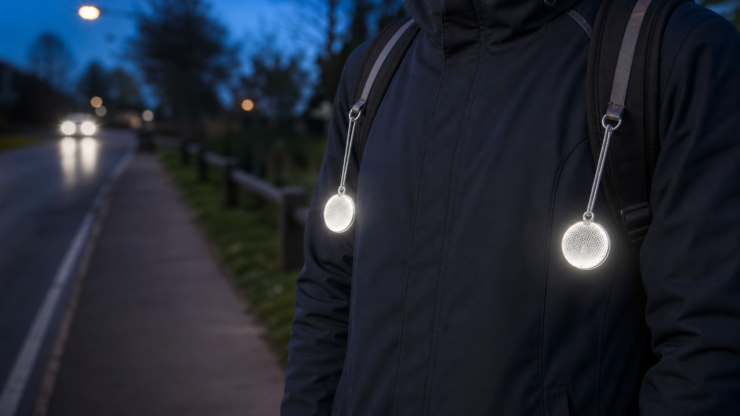
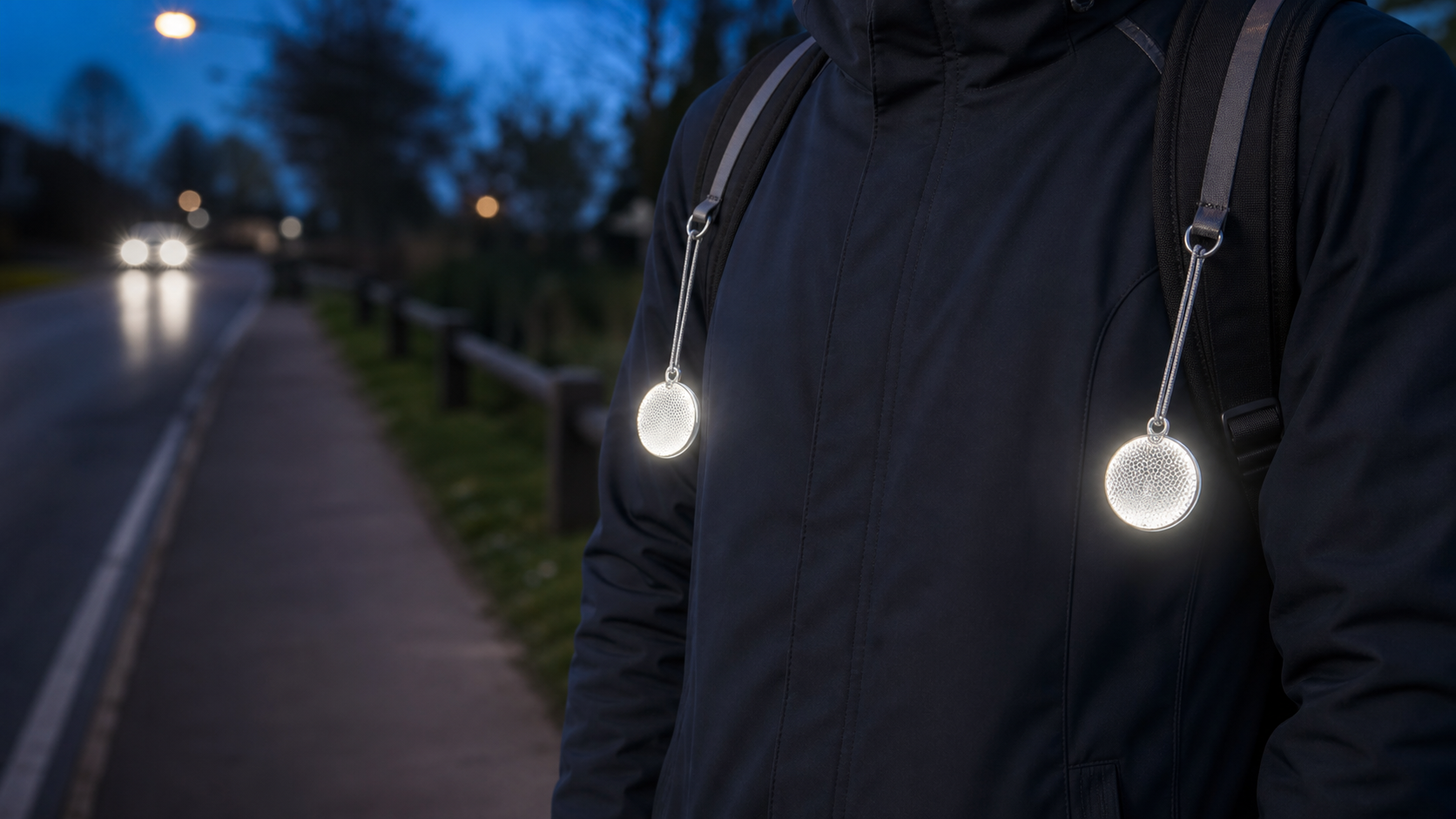
Understand EN 17353 Type B1 requirements for free-hanging reflectors, including two-sided area, thickness, attachment, wearing position, testing, and PPE evidence.
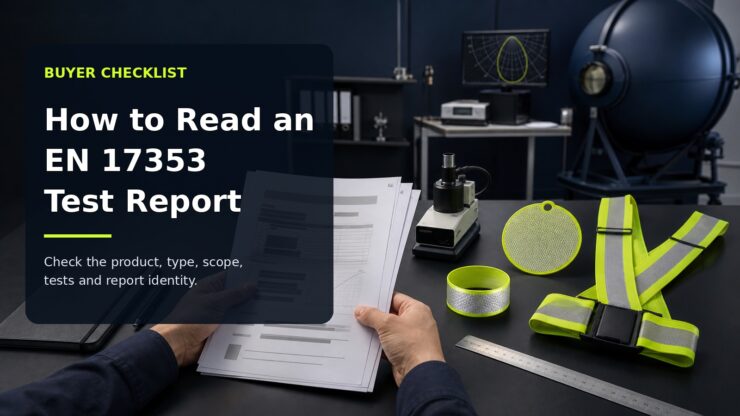
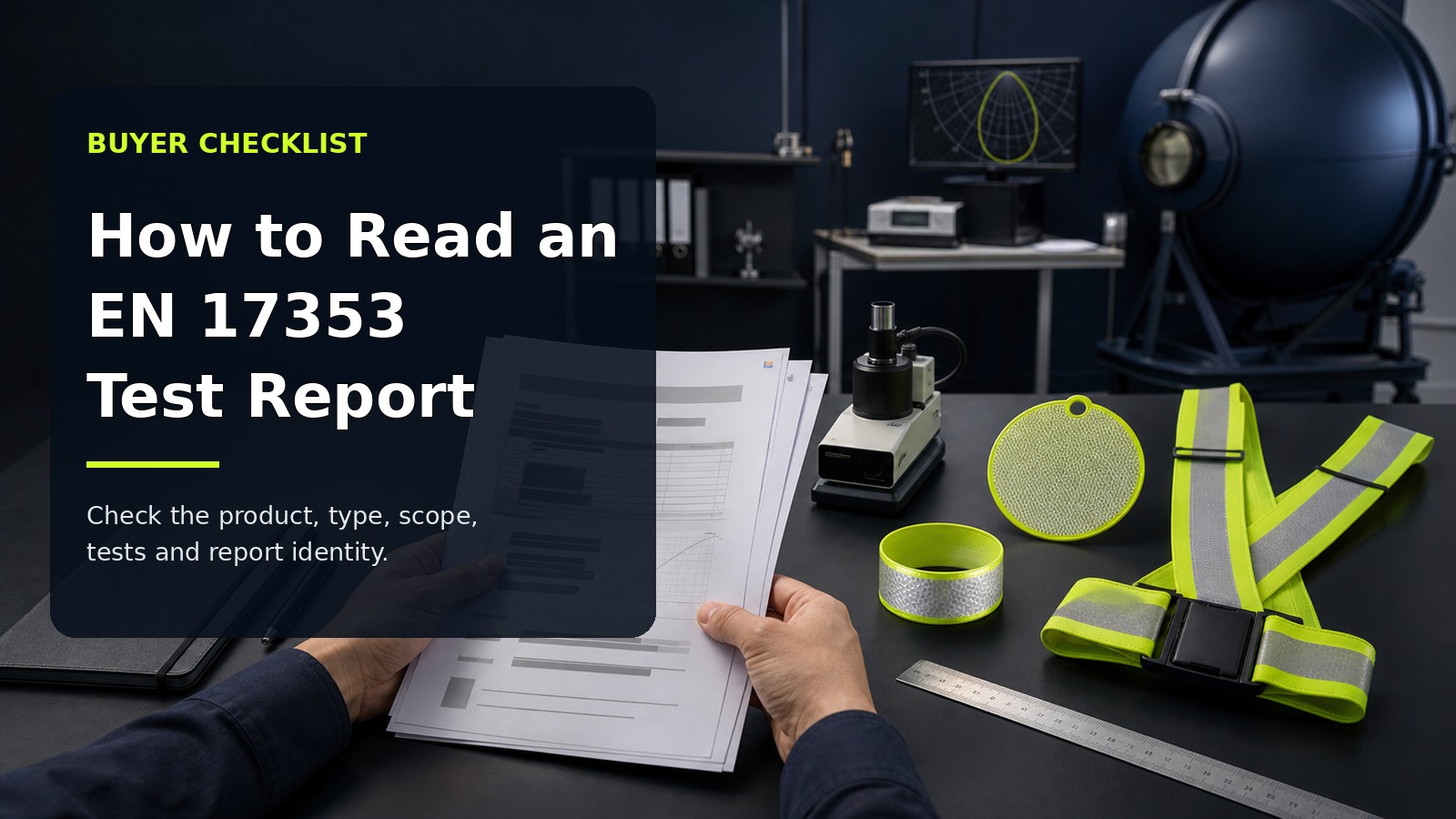
Learn how to verify an EN 17353 test report: check product identity, B1/B2/B3 scope, photometric results, certificates, variants, and red flags before buying.
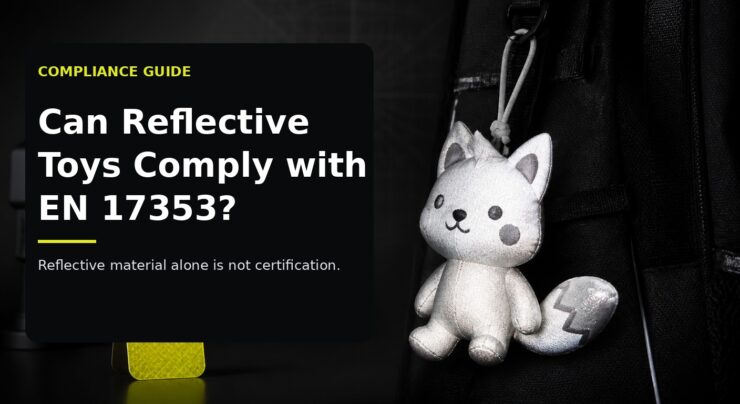
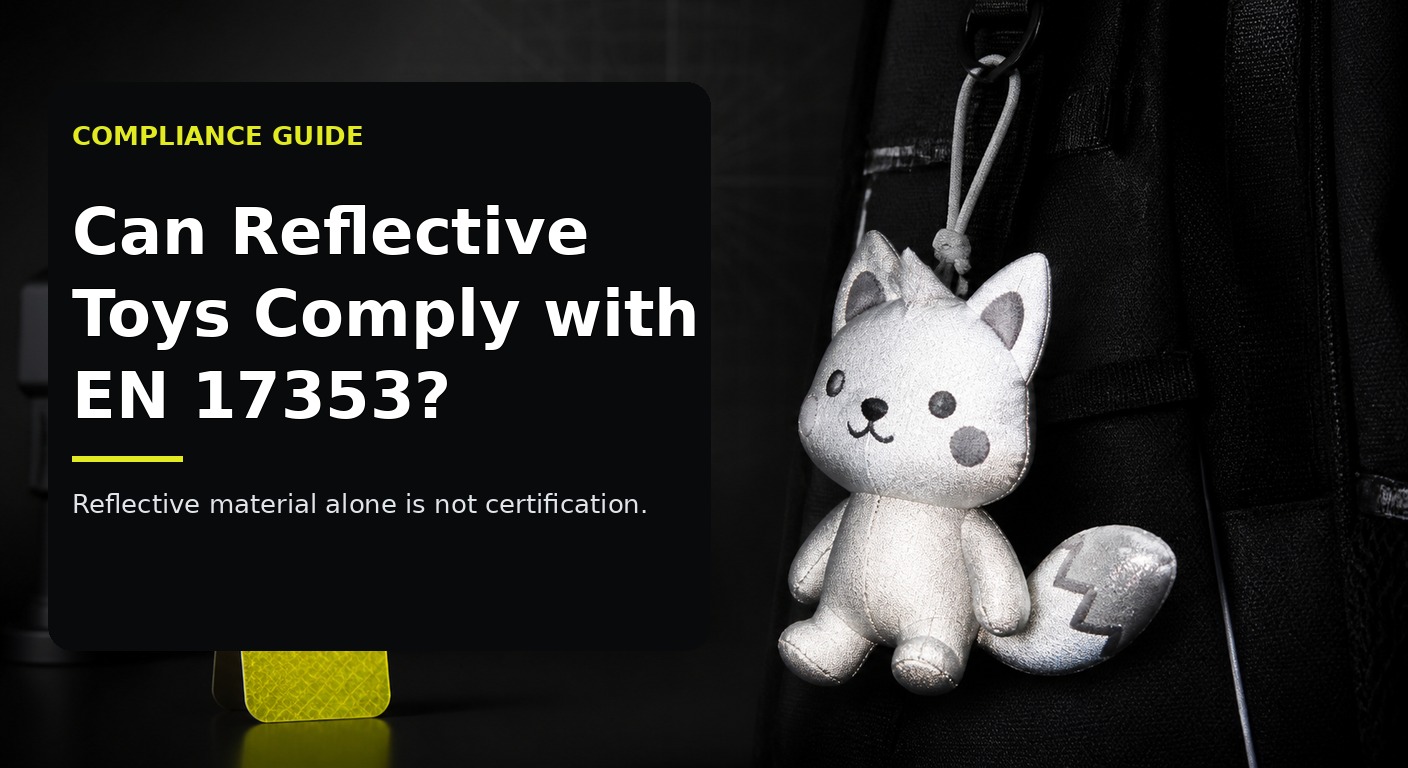
Can reflective toys comply with EN 17353? Learn why reflective fabric alone is not certification, how Type B1 differs from plush bag charms, when EN 71-1 may apply, and why a customs code does not decide product safety classification.
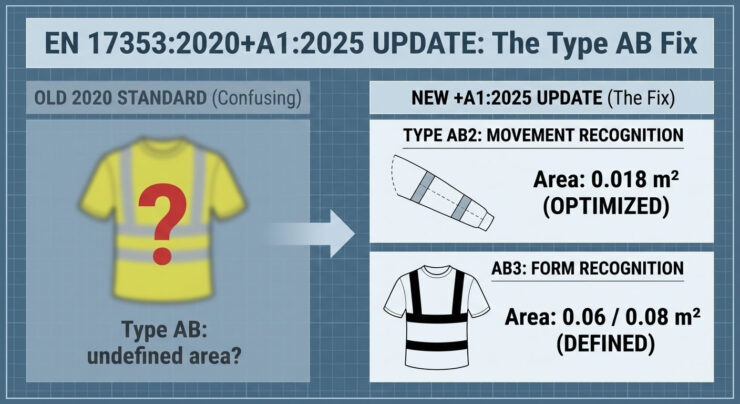
When manufacturing or sourcing enhanced visibility equipment for medium-risk situations, staying compliant with European standards is critical. The European Committee for Standardization (CEN) recently rolled out EN 17353:2020+A1:2025, an amendment that brings a much-needed fix to the industry. For buyers and manufacturers of reflective workwear—especially those dealing with custom high visibility shirts and lightweight jackets—the […]
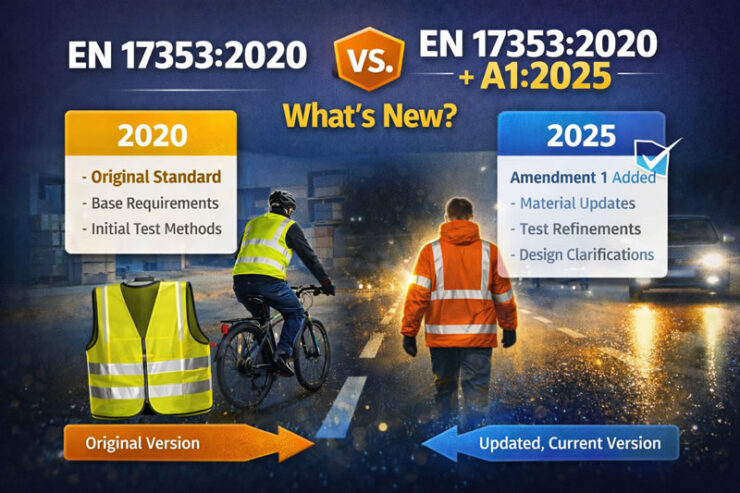


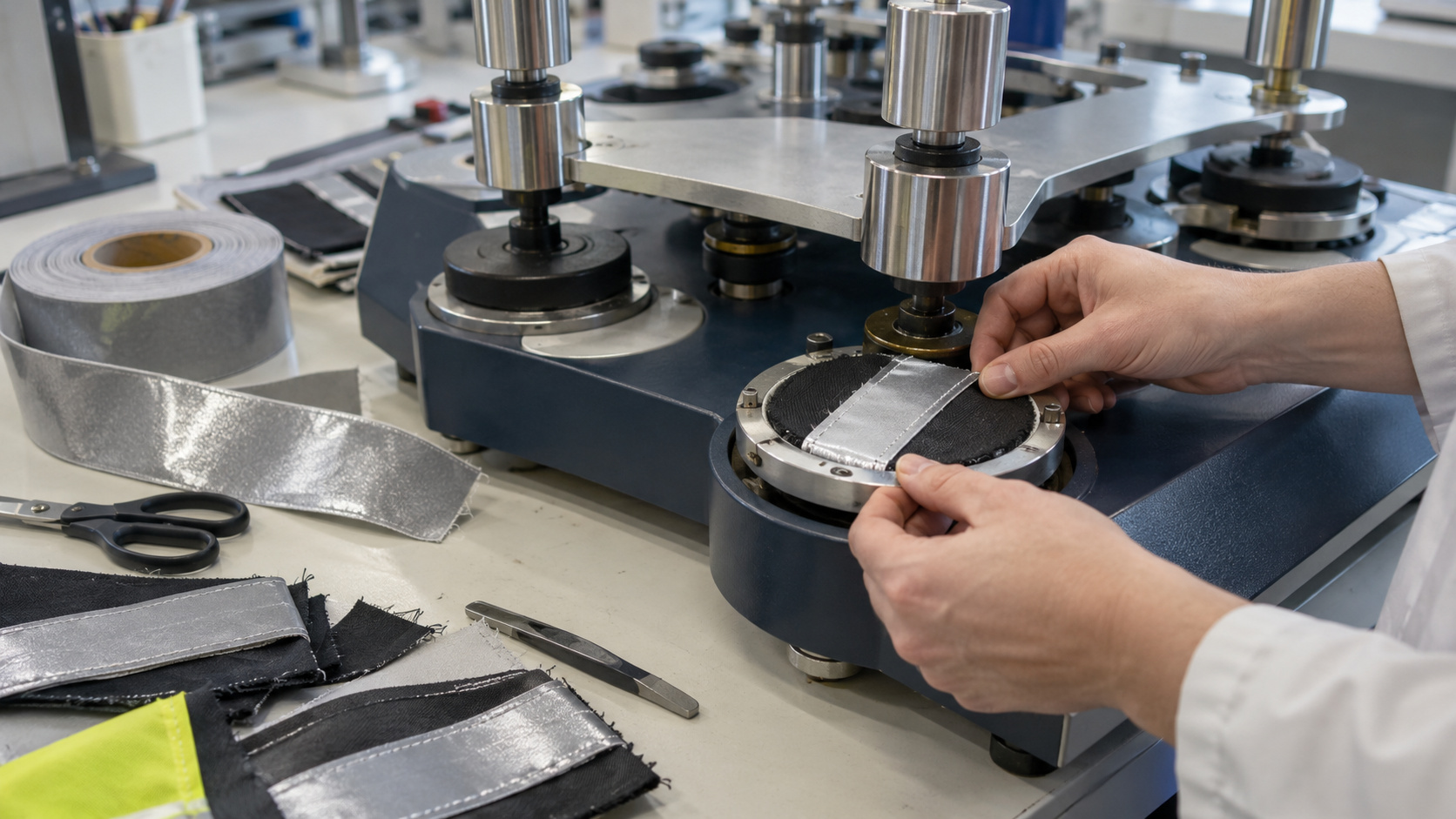


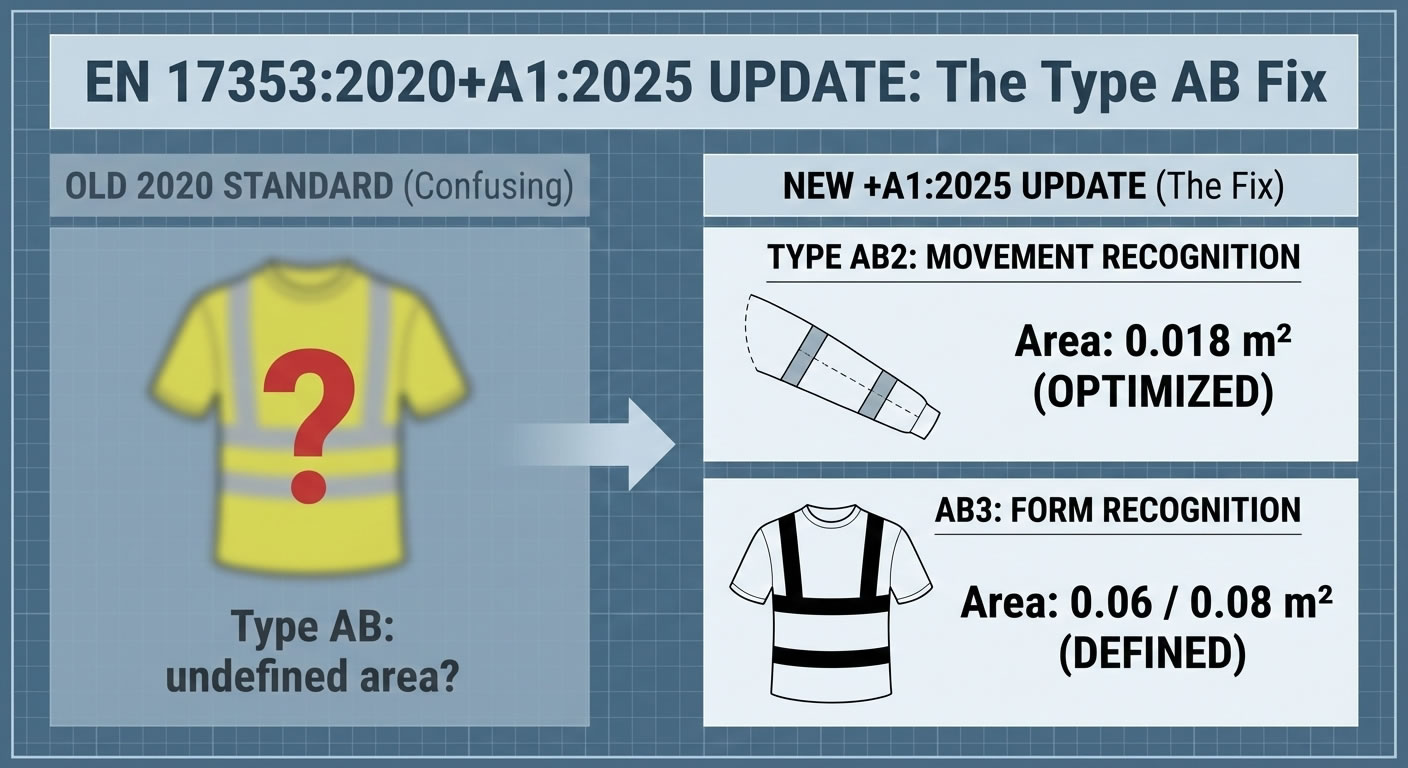
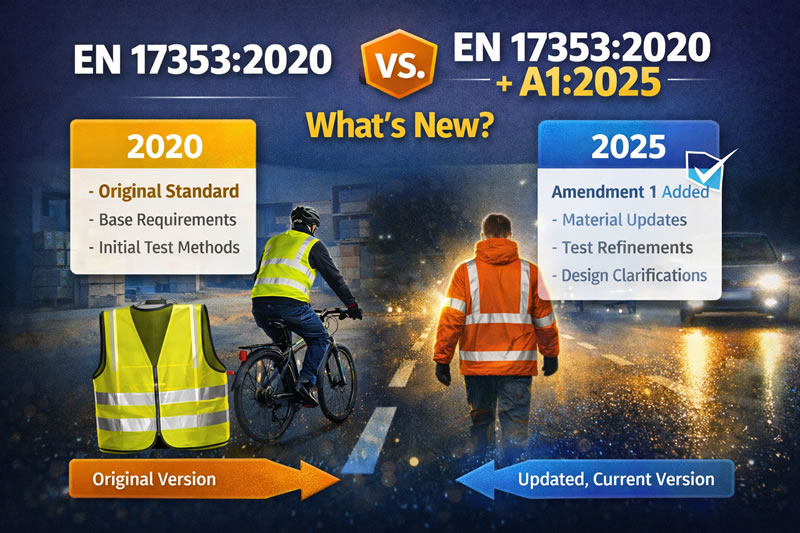
At first glance the two names look almost the same — but EN 17353:2020 +A1:2025 represents a clearly updated and technically revised version of the original EN 17353:2020 standard. The suffix “+A1:2025” means that a formal amendment (Amendment 1) was incorporated in 2025. 1. EN 17353:2020 — Original Standard (2020) First published in 2020 by the European Committee for Standardization […]